If you have a polygraph test coming up, chances are you are feeling some nerves. That is completely normal, and it might help to know that it is also completely expected. Whether you are taking a lie detector test to clear your name, resolve a question in your relationship, or support a legal matter, knowing exactly what happens before, during, and after the exam takes most of the anxiety out of the experience. This guide walks you through the entire process, from booking to results, and covers the practical steps that help you show up ready.
Nervous About Being Nervous? Read This First
The single most common worry we hear is some version of “I’m innocent, but what if my nerves make me fail?” Here is the reality: a professional polygraph examiner expects you to be nervous. Everyone who sits in that chair is nervous, whether they are being truthful or not. The examination is designed around this. Before any relevant questions are asked, the examiner establishes your personal physiological baseline, which already includes your nervousness. The instrument is not measuring whether you are anxious. It is measuring how your body responds to specific questions relative to that baseline.
So take a breath. General nervousness does not cause a truthful person to fail a properly administered polygraph examination. What actually affects results is covered below, and almost all of it is within your control.
Step One: The Conversation Before the Test
A quality polygraph examination starts well before you are connected to any equipment. When you contact Go Polygraph, the first step is a confidential conversation about your situation. This matters more than most people realize, because a polygraph test is only as good as the questions it asks.
Your examiner will work closely with you to formulate questions specific to the truth you need to establish. Polygraph questions must be answerable with a simple yes or no, and the strongest examinations focus on a single issue rather than trying to cover many topics at once. If your situation involves several separate questions, your examiner will explain how best to structure the testing.
This is also the time to raise practical concerns. If you would prefer a female or male examiner, just ask, as both are available. If privacy is a priority, discuss it up front. Tests can be conducted anonymously in most non-legal situations, and no personal records are kept. If a concerned party wants to observe, that can be arranged via live stream so their presence does not influence the results.
Step Two: How to Prepare in the Days Before
Preparation for a polygraph test is refreshingly simple, and it is mostly about arriving as your normal self.
Sleep well the night before. Fatigue affects your physiology and can muddy the data. Treat the night before your exam like the night before an important meeting and get a full night of rest.
Keep taking prescribed medications. Do not stop or change any prescription medication before your test. Doing so can alter your baseline physiology far more than the medication itself. Simply tell your examiner what you take during the pre-test interview. Examiners work with medicated examinees every day.
Skip alcohol, and go easy on caffeine. Avoid alcohol for at least 24 hours before your appointment. Have your normal amount of coffee if you drink it daily, but test day is not the day to double your usual dose.
Eat normally. Have a regular meal before you arrive. Arriving hungry, shaky, or over-caffeinated works against a clean baseline.
Do not research “how to beat” a polygraph. This deserves its own paragraph. Trained examiners recognize countermeasure attempts, and detected countermeasures do not help anyone. If you are truthful, the best strategy is no strategy at all. Just answer honestly.
Dress comfortably. You will be seated for a while with sensors placed on your body. Comfortable, loose clothing makes the experience easier.
Step Three: What Happens on Test Day
Plan to set aside a few hours for your appointment, since a professional examination is never rushed. The session has three distinct phases.
The pre-test interview. Your examiner will explain how the instrument works, review every question with you word for word, and gather relevant background. Nothing during the actual test will surprise you, because you will have heard and discussed every question before the recording begins. This phase usually takes longer than the test itself, and that is a sign of a properly run examination. Be completely open during this interview. The pre-test conversation exists so that the questions are fair, clear, and understood the same way by both of you.
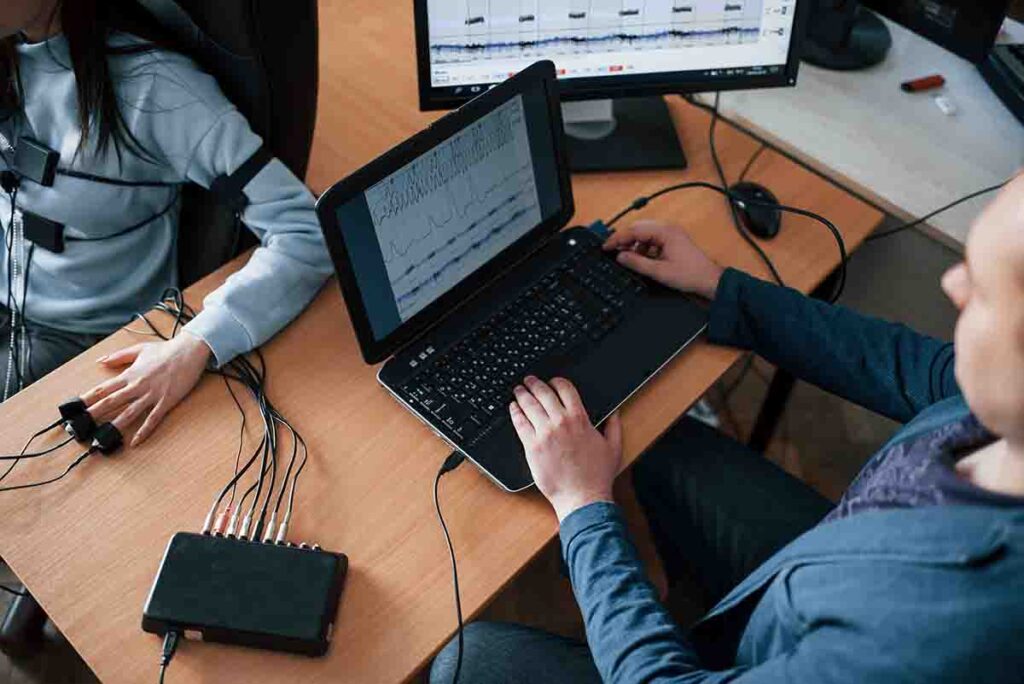
The examination. You will be seated and connected to computerized polygraph equipment that records physiological responses such as cardiovascular activity, breathing, and skin response. The examiner will then ask the reviewed questions, which you answer with yes or no. There may be more than one chart run, meaning the question series is repeated. This is standard practice and not a sign that something went wrong.
The post-test review. After the charts are collected, the examiner analyzes the data and discusses the outcome. Depending on the purpose of your test, results may be delivered verbally, in a written report, or both. If your test relates to a legal matter, expert witness services are available for court or hearings.
What Actually Causes Problems on Test Day
Truthful people run into trouble on polygraph tests for a short list of avoidable reasons: showing up exhausted or intoxicated, hiding relevant information during the pre-test interview, attempting countermeasures they read about online, or agreeing to vague questions they did not fully understand. Every one of these is preventable, and a good examiner will help you avoid all of them. If anything is unclear at any point, ask. Clarity is not just allowed, it is essential to an accurate result.
Where to Take Your Test in Orange County and the Inland Empire
Go Polygraph conducts examinations at our Santa Ana office in Orange County and our Corona office serving Riverside County, with clients traveling to us from across Southern California, including San Bernardino and San Diego counties. If discretion or convenience calls for it, our concierge service brings the examination to your location, whether that is a private residence, an attorney’s office, or a corporate setting.
Every examination is conducted by professionally trained examiners following federal guidelines, using current computerized equipment. Jim Camacho brings more than 20 years of investigative and deception detection experience to the practice, and our client reviews reflect the care that goes into every examination.
Ready to Get the Truth?
The hardest part of a polygraph test is usually the days spent worrying before it. Once you know what to expect, test day is a calm, structured, and professional process. If you still have questions, our FAQ page covers the most common ones, or call us directly at (714) 550-0563. Your consultation is confidential, your questions are welcome, and the truth is closer than you think.
Call now for your
FREE Consultation
Are You
Interested in a
Lie Detector Test?